CHYDEE CO.THE TONIGHT RESET GUIDE
Original Night One cover artwork

Welcome to Night One

A softer way into the evening.

A better night does not have to begin with a perfect routine. Tonight is simply about reducing a few things that can keep the day feeling “on” — bright light, unfinished tasks, stimulation, noise, and the pressure to fall asleep immediately. When the day has been full, it can take a little time to shift attention toward rest. A gentle transition gives you somewhere to begin without turning sleep into another task.

You do not need every idea in this guide. Choose what feels realistic tonight and leave the rest. Treat each page as an option, not a rule; even one small change can make the evening feel more intentional.

A hand holding a mug beside a candlelit bedside table.
Night One02

Welcome to Night One

Make the transition gentler.

Rest is easier to invite than command. Try closing one small loop, lowering one light, or choosing one low-effort activity. Keep the step familiar so it feels supportive rather than like another obligation.

A serene bedroom with a wooden nightstand, candle, pottery, and framed artwork.
TRY TONIGHT

Make the shift feel familiar.

Choose a cue you already associate with winding down: close a book, dim a lamp, or make a warm drink. Repeating a simple signal can make the transition feel gentler over time. Keep it optional and comfortable; your routine can change from one night to the next.

The goal is not to force sleep. It is to make the hour before sleep easier to move through.

Night One03

Before You Try Anything

Begin with less pressure.

Sleep is difficult to treat like another task you must complete. Tonight, focus less on “making yourself sleep” and more on creating conditions that make rest easier. If your mind is still busy, start with one change you can control, then give yourself permission to stop optimizing.

A woman resting with a sleep mask in a calm bedroom.
01 / LOWER THE VOLUME

Reduce stimulation.

Dim a light, finish one necessary task, and lower the volume around you. Put away one thing that keeps asking for attention. You are creating a softer landing, not a perfect room.

Night One04

Before You Try Anything

Keep the signal simple.

Lavender resting on soft bed linens beside cushions.
02 / CHOOSE ONE CUE

Keep it repeatable.

A warm shower, skincare, a few pages of a book, gentle music, or preparing your bed can be enough. Choose a cue that is easy to repeat and does not require extra equipment or a long routine.

03 / DO NOT CHASE SLEEP

Prepare for rest.

You can prepare your environment and the transition; you cannot order sleep to arrive on cue. If you notice yourself checking whether it is working, return to the simple action you chose.

Night One05

Prepare Your Room

Make the room easier to sleep in.

Your bedroom does not need to look perfect. Make one or two practical adjustments that reduce distraction, using what you already have. A small change is easier to keep than a complete room reset.

A bright, calm bedroom with cream bedding and a large window.
DARKER

Turn off lights you no longer need and reduce outside light where practical. Keep a soft lamp if a completely dark room does not feel comfortable.

COOLER

Aim for a comfortable temperature that suits you. Adjust bedding or airflow gradually instead of chasing a precise number.

QUIETER

Silence avoidable notifications and reduce disruptive sound where you can. If sound cannot be removed, choose a steady, low-volume option you already find comfortable.

LESS ACTIVE

When possible, move work and entertainment off the bed. If space is limited, simply put the work items away before settling in.

Improve one thing.06

Empty Your Head

Give tomorrow somewhere to wait.

The goal is not to solve everything tonight. It is to stop asking your memory to hold everything until morning. A short note can capture the next step without requiring you to finish the whole task now. Write enough to recognize it tomorrow, then let the page hold it for you.

A person writing in a notebook at a wooden desk with a phone nearby.
A SIMPLE STOPPING POINT

Write enough to remember, then close the page.

A useful note can be brief: name the task, capture its next step, and decide when you will revisit it. Put the notebook somewhere easy to find in the morning. If the thought returns tonight, remind yourself that it has been safely written down.

Set it down.07

The 2-Minute Tomorrow List

Let the rest wait.

Set a two-minute timer if that helps. Write fragments rather than polished sentences, and keep the list somewhere you can find it in the morning. The aim is to park the thought, not plan your whole day.

A woman writing in a notebook in a cozy bedroom by soft lamp light.
THE 2-MINUTE TOMORROW LIST

1. Something I need to remember.

A task, appointment, message, idea, or responsibility.

2. Something I can handle tomorrow.

Important — but not important enough to solve from bed.

3. Something I do not need to solve tonight.

A decision, worry, conversation, or problem that can wait.

Set it down.08

Build the Transition

Let the evening taper.

Think of the last hour before bed as a gradual descent rather than an abrupt stop. The timing is only a guide; start earlier or later to fit your evening. The useful part is creating a little space between finishing the day and getting into bed.

A woman reading a book while sitting on her bed in a softly lit bedroom.
AROUND 60 MINUTES BEFORE BED

Close the open loops.

Set an alarm, prepare tomorrow’s clothes, or write down unfinished work. Finish what truly needs finishing, then stop adding new tasks. A short “done for today” note can help you remember where to pick things up tomorrow.

Simpler, not stricter.09

Build the Transition

Choose the next quiet step.

Use these time markers as gentle prompts, not deadlines. If your evening is shorter or longer, keep the order simple: finish, soften the pace, then settle.

A woman reading quietly in a softly lit bedroom.
AROUND 30 MINUTES BEFORE BED

Choose one quiet thing.

Read a few pages, take a warm shower, stretch gently, listen to something calm, or prepare your bed. Choose one activity you can stop easily, and let it be enough for tonight.

AROUND 10 MINUTES BEFORE BED

Make the next step obvious.

Bathroom, lights down, phone parked, bed ready. Keep the sequence familiar and short. The point is to remove small decisions, not to add a checklist you have to perfect.

Simpler, not stricter.10

Quick Reference

A few things can quietly restart the evening.

Use this page to notice patterns, not to create a list of forbidden foods. If a drink or meal feels disruptive to your evening, consider a small timing change that is workable for you.

01 / LATE CAFFEINE

Coffee is not the only source: tea, energy drinks, soda, chocolate, and some supplements may contain caffeine too. If you are curious, notice what you drink and when, without turning the observation into a strict rule.

02 / VERY LARGE LATE MEALS

If a very large meal feels uncomfortable near bedtime, consider shifting its timing when your schedule allows. Comfort and routine matter more here than following a rigid clock.

Notice, don’t obsess.11

Quick Reference

Decide the day is finished.

A closing cue can be as simple as putting a device down, setting out one thing for the morning, and choosing what can wait. Keep the ritual short enough to repeat on an ordinary night.

03 / ALCOHOL AS A SHORTCUT

Alcohol can make some people feel sleepy at first, but that feeling does not guarantee a restful night. Notice your own experience and avoid relying on it as a bedtime shortcut.

04 / “ONE MORE THING”

One more episode, one more scroll, one more email. Choose a clear stopping point—close the tab, plug in the phone, or leave the message for morning—then let the day be finished.

Notice, don’t obsess.12

If Sleep Doesn’t Come

Stop turning wakefulness into a fight.

If sleep does not arrive immediately, you do not need to panic or force it. Waking for a while can happen; the next step is simply to make the moment feel less pressured and less stimulating.

If you feel alert, try not to turn the moment into a problem to solve. Let the room stay quiet and choose one small next step that feels comfortable.

01

Stop checking the clock.

Repeated time-checking can turn being awake into a countdown. If you can, turn the display away and let the clock stop setting the pace for the rest of the night.

02 / LOWER THE STAKES

Choose a quieter focus.

Set the clock aside and notice one comfortable detail in the room. Keep your next step simple, rather than trying to calculate how much sleep remains.

Choose the next calm step.13

If Sleep Doesn’t Come

Take the pressure down.

You do not have to make yourself calm perfectly. Small physical cues—loosening your jaw, lowering your shoulders, or changing position—are enough to begin easing the effort.

02

Take the pressure down.

Unclench your jaw, drop your shoulders, and let breathing happen without trying to perform it perfectly. If focusing on the breath feels unhelpful, shift attention to a quiet sound or a comfortable point of contact.

03

If frustration builds, get up briefly.

Keep the environment dim and choose a quiet, low-stimulation activity. You might read a few pages or sit comfortably. Return to bed when you begin feeling sleepy again; there is no need to watch the clock.

Choose the next calm step.14

Tonight Checklist

Build tonight from the pieces that help.

This is not a scorecard. Choose the steps that make sense tonight, and skip anything that adds pressure. A checklist is here to make the next choice easier, not to measure how well you slept.

One step still counts.15

Tonight Checklist

Finish with one small step.

Choose one final step that feels useful tonight. The remaining items can wait; you do not have to complete every box to call the evening good enough.

01 · CAPTURE

Name one unfinished thought and leave its next step for morning.

02 · CHOOSE

Pick one quiet cue that feels easy, such as dimming a lamp.

03 · RELEASE

Let the remaining tasks stay on the list while you rest.

Once you have chosen one small step, you have done enough for tonight. Close the guide and move into the next easy part of your routine. There is no perfect order, and you do not need to finish every box.

One step still counts.16

Tomorrow Morning

Do not grade the night.

You may sleep beautifully, wake during the night, or land somewhere in between. Some ideas may feel useful and others may not. Tomorrow morning is not a test, and one night does not define your progress.

01 / GET UP

Around your usual time.

Keep the morning reasonably consistent instead of trying to compensate for every imperfect night. Choose a manageable start—wash, dress, open the curtains, or make a drink—and let the day begin one step at a time.

02 / START SMALL

Let the day open gradually.

Choose one familiar morning action before taking on the rest of the day. A steady, uncomplicated start is easier to repeat than trying to make up for the night.

Morning17

Tomorrow Morning

Keep what helps.

You do not need to remember every suggestion. Look back for one small thing that made the evening feel calmer or easier to follow, then decide whether it is worth repeating.

02 / GET DAYLIGHT

When practical.

When practical, spend a little time outside or near natural morning light. Keep it comfortable and realistic for your day; this is a gentle routine cue, not another requirement.

03 / NOTICE ONE THING

What made last night slightly easier?

Keep the one thing that felt worth repeating. Let the rest go; routines work best when they fit your real life.

Keep what is worth repeating.

Morning18

Sleep tools, used thoughtfully

Choose a comfortable way to manage unwanted light, then use research as helpful context.

Sunlight streaming through sheer curtains01 · Wearable light blockContoured sleep mask

Cover stray light when curtains cannot fully darken the room or when you travel.

Bedroom with curtains and a window02 · Window lightBlackout curtains or a liner

Reduce light through the window. Pair with a mask when gaps still reach your eyes.

Person writing in a notebook03 · Notice light patternsSleep diary

Note whether light woke you, roughly when, and what changed that experience.

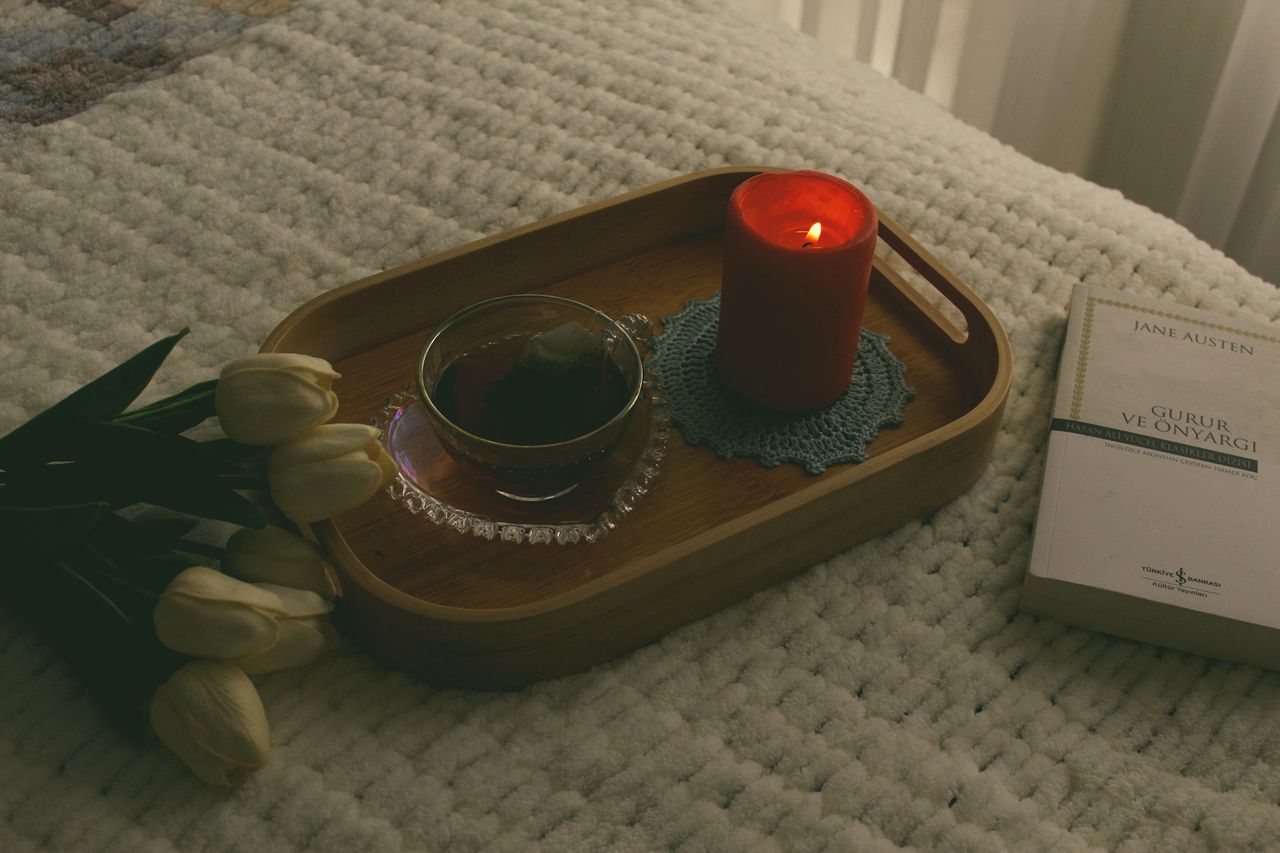
Bedside candle, tea, and book04 · Fit & careMask fit and care check

Keep the strap comfortable. Follow the care label and stop if it feels uncomfortable.

Woman resting with a sleep mask in a calm bedroomEye masks improved several sleep-quality scores
A randomized trial of 60 cardiac-care patients reported better subjective sleep quality, sleep latency, duration, efficiency, and sleep disturbance after three nights. Findings support masks as a practical light-blocking option in a bright hospital setting.

Read the randomized trial ↗
Sunlight filtering through sheer curtainsMask and earplug trial found longer sleep

A randomized trial of 210 pregnant women with short sleep found the combined mask-and-earplug group averaged about 13 more minutes of sleep after one week. The study reflects combined light and noise blocking.

Read the at-home trial ↗

Choose a mask that feels comfortable and use it when light is the factor you want to change.

CHYDEE / The Tonight Reset Guide19

Weighted sleep mask: details & welcome offer

Woman resting in a weighted sleep mask

A gentle weighted feel with practical light control, considered fit, and simple care.

Chydee Co. · Weighted sleep maskComfort, thoughtfully considered
130 g glass-bead fill

A gentle, balanced weight in a compact mask.

3D contoured memory foam

Recessed eye space is designed to leave room around the eyes.

Soft liner · adjustable broad strap

Set the strap gently; loosen or reposition it for comfort.

Wraparound shape · handwash care

Practical everyday details. Room and fit affect how much light is blocked.

CHYDEE / The Tonight Reset Guide20

Complete Sleep Toolkit

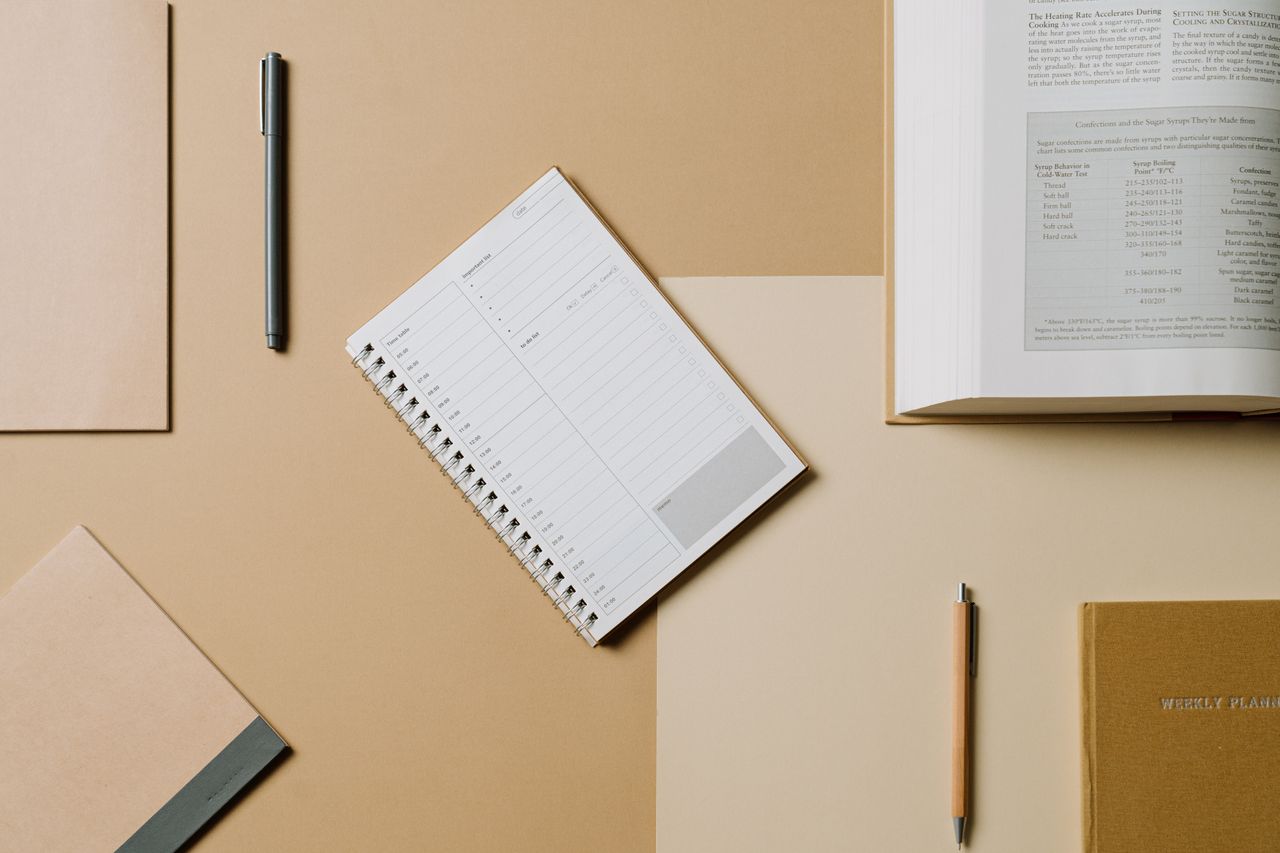
Planner, books, and stationery on a desk

Six practical bundles to revisit routines and observations that fit your life.

FREE$74Sleep Routine Guide

Return to the guide’s steps.

FREE$78Nightly Reset Checklist

A workable evening handoff.

FREE$9414-Night Sleep Tracker

Notice patterns in context.

FREE$99Wind-Down Sequence Planner

Shape an order that fits real life.

FREE$74Restless-Night Reset Card

A calm reminder for a difficult moment.

FREE$89Sleep Environment Audit

Review the room and test one change.

This is for you if

  • You want a calm, practical starting point without strict bedtime rules.
  • You like short prompts that fit real life.
  • You prefer tools you can return to without keeping a streak.

This is not for you if

  • You need a guaranteed fix or diagnosis.
  • You need individual clinical guidance or urgent support.
  • You prefer not to use reflective prompts or checklists.
Complete Sleep Toolkit

All six additional bundles, included free with the toolkit.

$149 $37Limited to the first 37 purchases
Get the Complete Toolkit ↗
CHYDEE / The Tonight Reset Guide21

Night One — The Tonight Reset Guide

A softer way into the evening.

chydeeco.com